Garage Doors
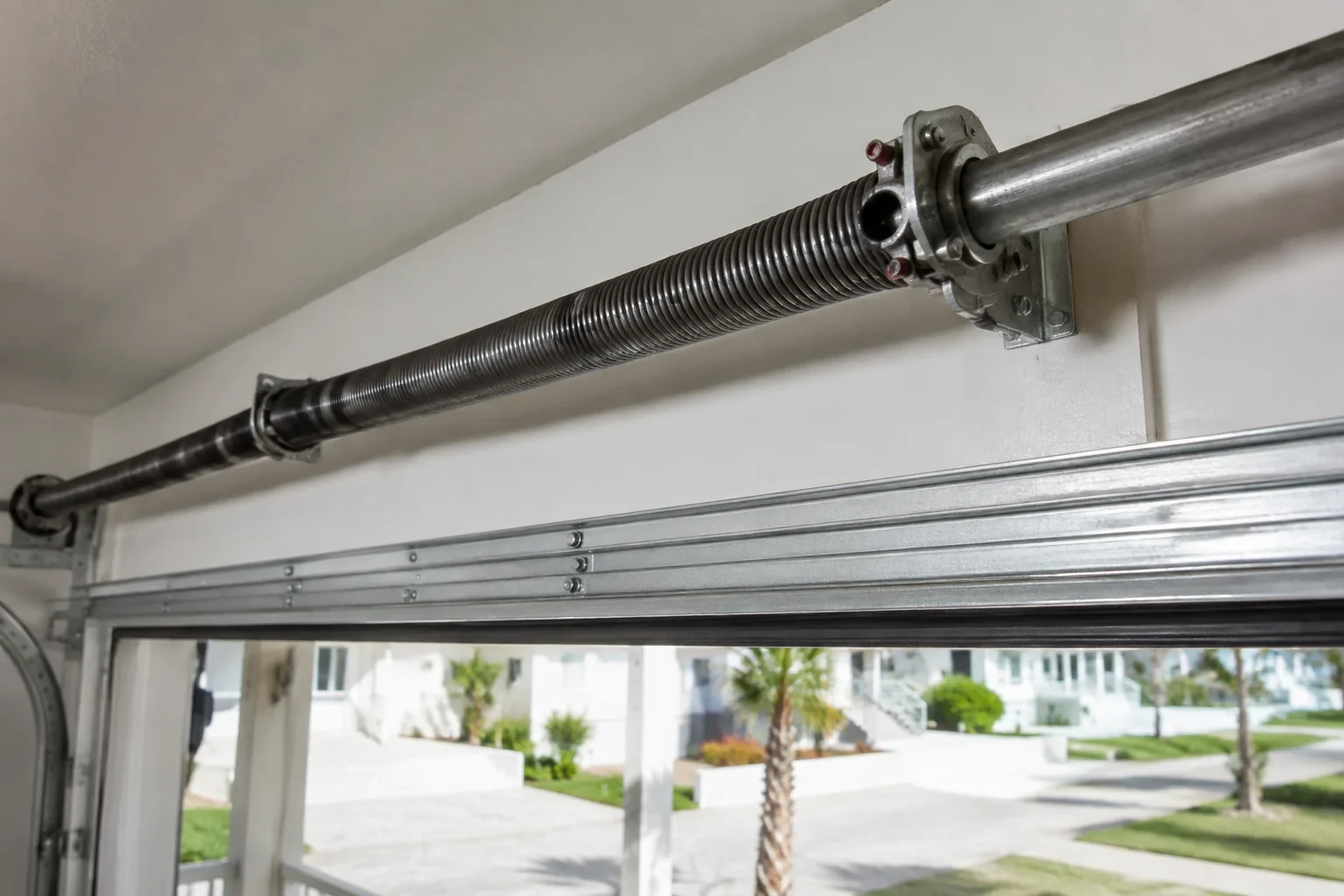
Door will not lift
Start with the symptoms; the counterbalance needs assessment.
Explore the service ↗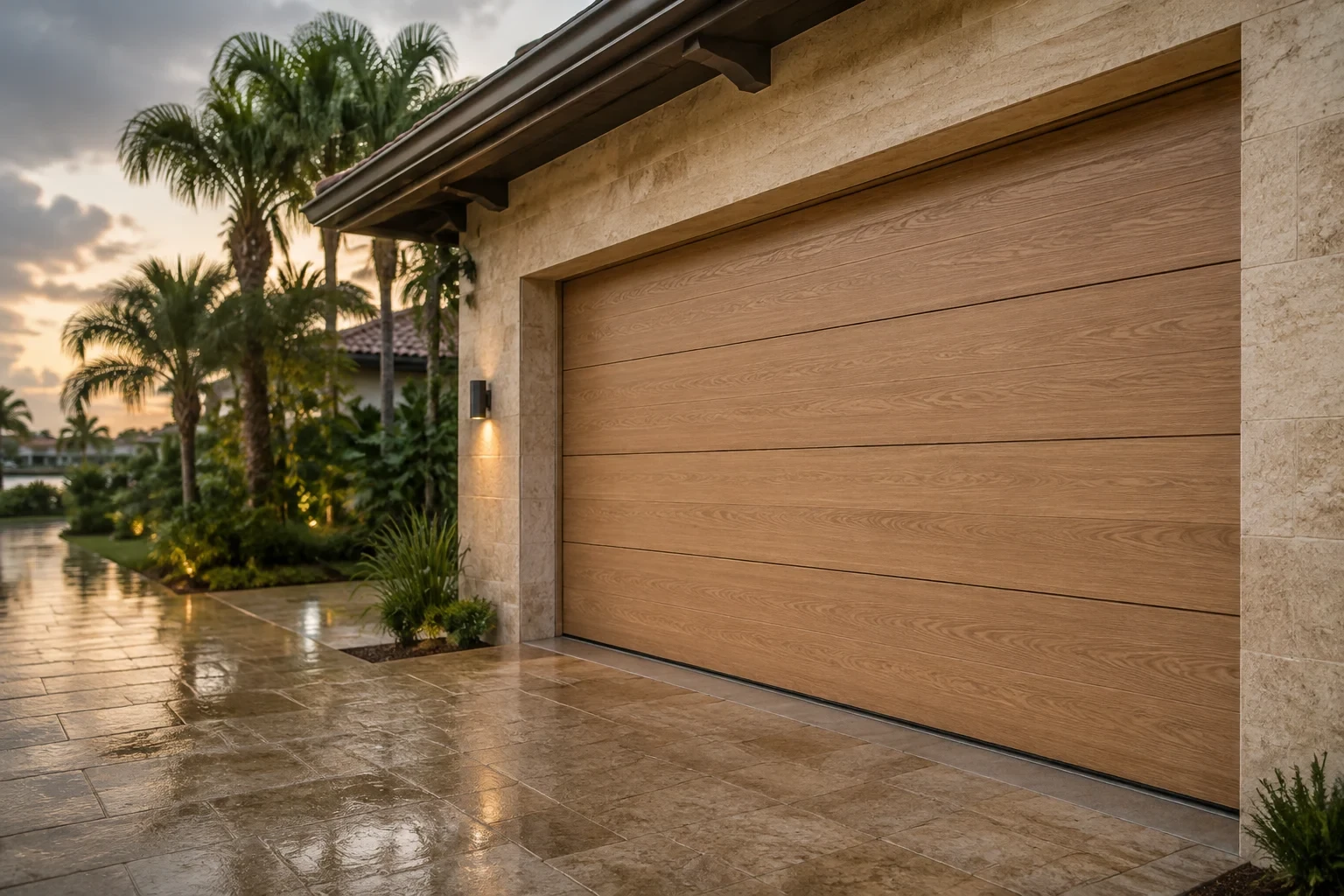
SeacliffGarage Doors
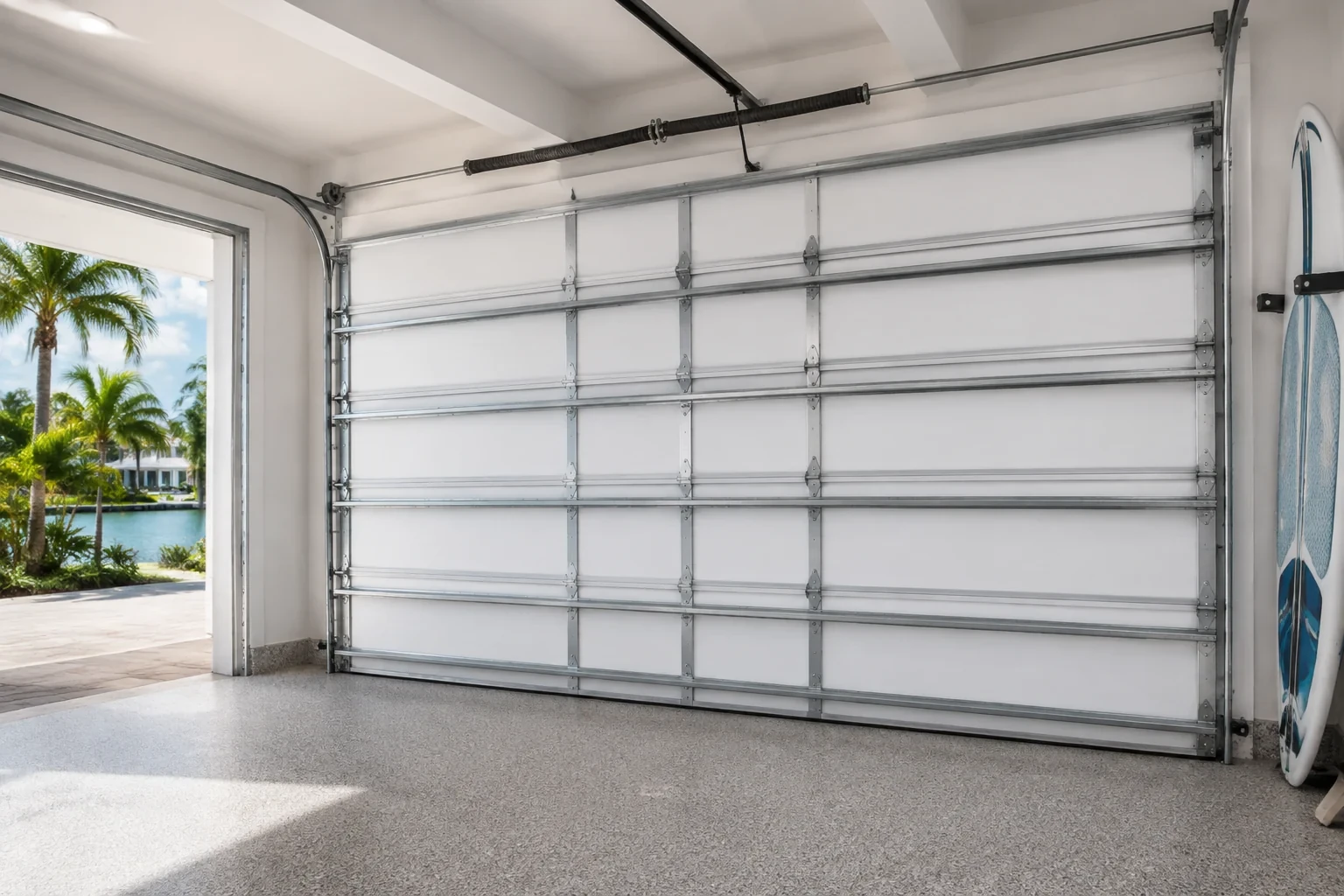
Panels, rollers and the overhead drive belong in the same conversation. Compare the proposed work with the condition of the existing garage-door system.
(628) 253-4968Garage Doors
Start with the symptoms; the counterbalance needs assessment.
Explore the service ↗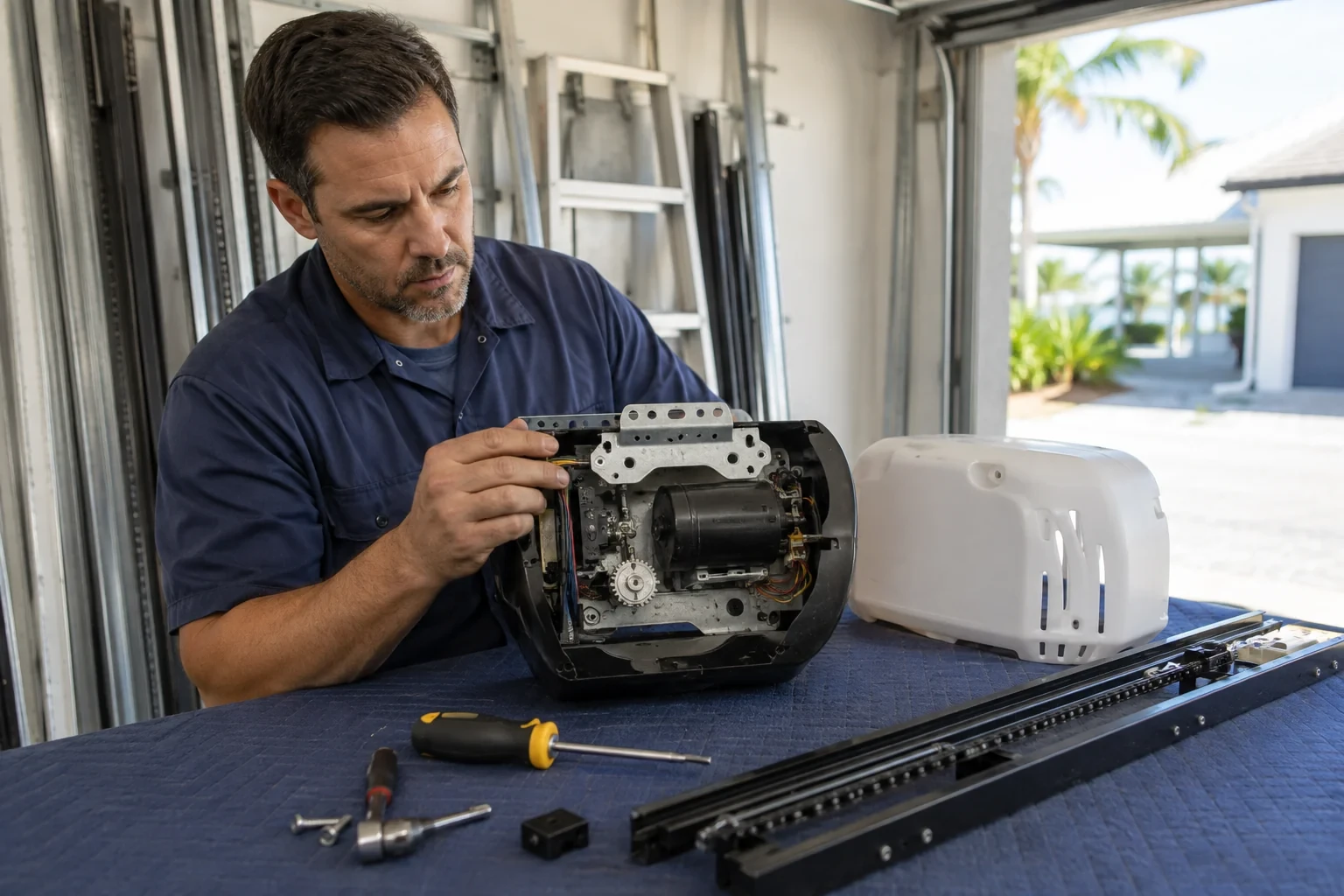
Garage Doors
Discuss the opening, product documents and project requirements.
Explore the service ↗The movement, revealed
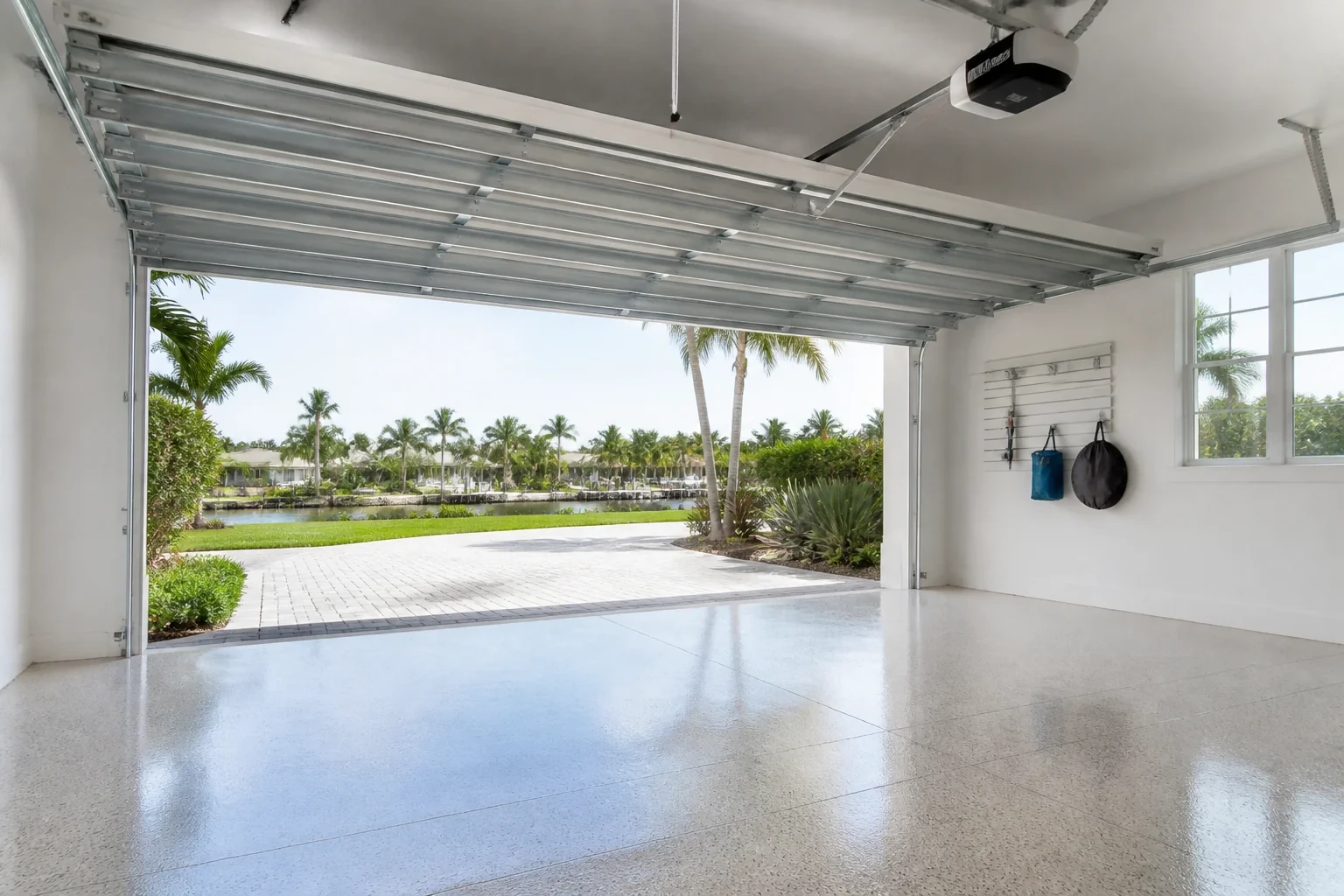
Panels, rollers and the overhead drive work together. Take a closer look at the movement behind your everyday entrance.
Before the visit
Seacliff
Explore the services for your property and confirm your address when you call.
Planning identifies this area among neighborhoods containing RH-1 one-family residential zoning, so individual-home hardware is part of the local mix.
Source for housing context ↗San Francisco's Department of Building Inspection publishes step-by-step instructions for over-the-counter permits covering common exterior residential projects, and lists garage door replacement among the projects that qualify for over-the-counter review. The same page notes that exterior facade work visible from the street involving a change of finishes is among the projects that need plans. Use it to discuss the proposed work and the review route with the department before scheduling. Confirm the address, the opening and the property's own requirements; this reference does not establish them.
Source for planning your work ↗Automatic residential garage door openers sold in the United States have been subject to federal entrapment protection rules for decades. The Consumer Product Safety Commission's notice on the final rules describes an external entrapment protection device, such as an electric eye that detects an object obstructing the door without touching it, or a door edge sensor, and applies additional entrapment protection requirements to openers manufactured on or after 1 January 1993. If an opener is being diagnosed or replaced, ask how the safety reversal and the sensors will be tested afterwards. This is background, not an assessment of your equipment.
Source for local context ↗Area-wide context is not a finding about your own property.
Before you decide
Separate the door itself from the opener and its hardware. A worn roller, damaged seal or opener fault does not automatically require a new door. Ask which component failed, whether compatible parts are available and whether the panels, tracks and supporting hardware remain suitable. Compare a repair proposal with replacement only after the condition and scope are explained.
Describe what happens when you use the wall control and the remote, any unusual sound, and whether the door moves partway or stays still. If accessible without climbing or removing a cover, note the opener model. These observations help prepare the visit; they do not establish which part needs replacement.
Compare the door material, insulation specification, panel and window style, hardware and opener compatibility. Ask whether removal of the old equipment, installation, adjustment and completion checks are included. For a property with wind-load requirements, ask for the product documentation and applicable installation requirements rather than relying on appearance.
Sound is a useful clue, but several components can create similar symptoms. Describe whether it occurs at the start, near a curve in the track, or throughout travel. A useful assessment checks the door system before proposing parts, and explains the observed fault instead of treating every noise as an opener problem.
Keep access to the doorway, wall control and equipment clear. Put pets and children away from the work area and gather any previous invoices or model information. Tell the provider about limited clearance, vehicles that cannot be moved or a door that is stuck before the appointment.
Tell us what it is doing and we will call you back.